


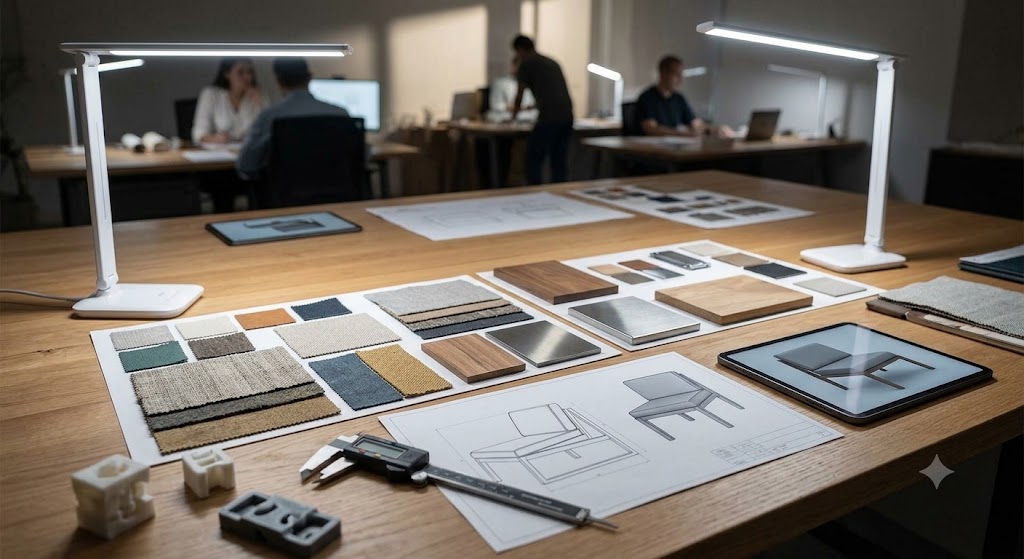
A comprehensive guide to elevating guest experiences through strategic aesthetics and functional craftsmanship.
The Evolution of Contemporary Hotel Furniture Design
In the rapidly shifting landscape of global hospitality, the concept of a hotel has transformed from a mere place of rest to a multifaceted lifestyle destination. Central to this transformation is the strategic application of hotel furniture design. Modern travelers, whether visiting for business or leisure, now demand environments that resonate with their personal values, offering a seamless blend of comfort, technology, and aesthetic sophistication. This evolution requires architects and interior designers to look beyond off-the-shelf solutions and embrace bespoke furniture that tells a unique brand story. The furniture within a guestroom, lobby, or restaurant is no longer just a functional necessity; it is a critical touchpoint in the guest journey that influences satisfaction and loyalty.
The current era of hospitality focuses heavily on the "Instagrammable" moment, but it must be balanced with ergonomic excellence. As we delve into the latest trends, it becomes clear that successful furniture projects are those that anticipate user needs before they arise. From the tactile sensation of a velvet armchair to the intuitive placement of a bedside charging station, every detail matters. Industry leaders are now prioritizing furniture that can withstand the high-traffic demands of a commercial environment while maintaining the delicate appearance of residential high-end pieces. This duality is the hallmark of modern luxury, where durability meets artisanal beauty.
Sustainable Materiality in Hospitality Furnishings
Sustainability has moved from a niche requirement to a core pillar of hotel furniture design. Developers and operators are increasingly held accountable for their environmental footprint, leading to a surge in demand for responsibly sourced materials. This trend manifests in the use of reclaimed timber, FSC-certified woods, and recycled metal alloys. However, sustainability in furniture design is not just about the origin of materials; it is also about longevity. Pieces that are built to last reduce the frequency of replacement, thereby minimizing waste. Finishing techniques have also seen a shift, with low-VOC (Volatile Organic Compound) stains and water-based adhesives becoming the industry standard to ensure healthy indoor air quality for guests.
Designers are also experimenting with innovative bio-materials, such as fabrics made from ocean plastic or composite surfaces created from agricultural waste. These materials provide a unique narrative that resonates with the eco-conscious traveler. When a guest sits in a lobby and learns that the striking side table was crafted from recycled stone dust, it creates a deeper connection with the brand. This commitment to the planet does not mean sacrificing luxury. On the contrary, the "raw" and "honest" aesthetic of natural materials often provides a more premium, authentic feel than synthetic alternatives. High-end hospitality projects are now proving that ethical sourcing and exquisite design are perfectly compatible.
Maximizing Space with Multi-functional Furniture
As urban hotel rooms become more compact to maximize real estate efficiency, the demand for intelligent hotel furniture design has reached new heights. The concept of "flex-rooms" requires furniture that can serve multiple purposes throughout the day. For instance, a dining table that can effortlessly transition into a professional workspace, or a sofa bed that offers genuine orthopedic support for long-term stays. These pieces must be intuitive to use, allowing guests to customize their environment without needing a manual. Storage solutions are also being reimagined, with hidden compartments and integrated shelving that keep the room feeling spacious and clutter-free.
This trend is particularly prevalent in the "bleisure" market, where guests mix business and leisure travel. A guestroom must function as a private sanctuary, a high-tech office, and a dining area. Modular furniture sets allow for easy reconfiguration by hotel staff, enabling the property to offer different room setups based on specific guest requests. Whether it is a swivel desk that hides away when not in use or nesting tables that provide extra surface area during a meeting, versatility is the key. By investing in multi-functional pieces, hotel owners can provide a higher level of utility within the same square footage, significantly enhancing the perceived value of the accommodation.
The Intersection of Technology and Comfort
In the modern age, technology is no longer an afterthought in the design process; it is an integral component of the furniture itself. Smart hotel furniture design now incorporates wireless charging pads built directly into nightstands, USB-C ports hidden within sofa armrests, and touch-sensitive lighting controls integrated into headboards. The goal is to provide a frictionless experience where the guest never has to search for an outlet. However, the challenge lies in making this technology invisible or "hidden in plain sight" to maintain the room's aesthetic harmony. Cables should be managed through internal channels, and hardware should be future-proofed as much as possible.
Beyond connectivity, technology is also influencing the physical comfort of furniture. We are seeing the rise of smart mattresses that adjust firmness via an app and ergonomic chairs that offer active lumbar support. In public areas, interactive kiosks are being integrated into sleek lounge tables, allowing guests to check in or browse local attractions while enjoying a coffee. As artificial intelligence and IoT (Internet of Things) continue to evolve, we can expect furniture to become even more responsive to guest preferences, perhaps even adjusting its temperature or posture based on recognized profiles. The marriage of high-tech and high-touch design is the new frontier of hospitality.
Biophilic Influence on Guest Wellness
Biophilic design—the practice of connecting people with nature—is a powerful tool in modern hospitality. By incorporating natural elements into hotel furniture design, properties can significantly improve guest wellness and reduce stress levels. This involves more than just adding plants to a room; it is about using organic shapes, textures, and patterns that mimic the natural world. Furniture with soft, curved edges rather than sharp angles feels more welcoming and natural. Upholstery in earth tones—moss greens, terracotta, and sandy beiges—helps to create a grounding atmosphere. Wood grain should be celebrated rather than hidden under thick lacquer, allowing the tactile beauty of the material to shine through.
This design philosophy extends to the public areas as well. Lobbies that feature "living walls" paired with custom-made wooden benches or stone-topped communal tables create a serene oasis in the heart of a busy city. Large-scale windows that frame natural views should be complemented by furniture that does not obstruct the sightlines. The use of natural light, combined with surfaces that reflect and soften that light, creates a dynamic environment that changes throughout the day. When guests feel more connected to nature, they are likely to stay longer and leave more positive reviews. Biophilic furniture is not just a trend; it is a fundamental shift toward more human-centric design.
The "Resimercial" Shift: Comfort Like Home
The line between residential and commercial design is blurring, a trend often referred to as "resimercial" design. Guests today want to feel like they are staying in a high-end apartment rather than a sterile hotel room. This has led to a preference for hotel furniture design that features residential-style comforts, such as deep-seated sofas, plush area rugs, and decorative accent lighting. The goal is to create a "home away from home" where the guest can truly relax. This approach requires a careful balance; while the furniture must look like it belongs in a luxury living room, it must possess the heavy-duty construction and fire-retardant properties required for commercial use.
Texture plays a vital role in achieving this residential feel. Mixing materials—such as a leather armchair paired with a chunky knit throw or a marble-topped coffee table on a brass base—adds layers of visual and tactile interest. Customization is also key to this trend. Standardized furniture sets are being replaced by curated collections of pieces that feel like they have been gathered over time. This gives each room a bespoke, personalized character. By prioritizing comfort and personality, hotels can create a more emotional connection with their guests, fostering a sense of belonging that encourages repeat visits.
OC International: Your Partner in Excellence
At OC International Hotel Furniture, we understand that every hospitality project is a unique canvas. With over two decades of expertise, we have established ourselves as a premier provider of bespoke hotel furniture design for some of the world's most prestigious 5-star properties. Our commitment to quality is evident in every piece we manufacture, from the initial concept to the final installation. We pride ourselves on our ability to translate complex design visions into tangible, durable, and breathtaking furniture solutions.
Our global footprint includes collaborations with renowned brands like Hilton, St. Regis, and MGM. We offer a comprehensive suite of services, including custom millwork and joinery, loose furniture sets, and public area solutions. Our state-of-the-art manufacturing facility in Dongguan ensures that we maintain the highest standards of craftsmanship while offering competitive lead times. Whether you are looking for luxury hotel furniture or innovative smart-room solutions, OC International is dedicated to elevating your property's interior to international standards.
What sets us apart is our holistic approach to project management. We don't just supply furniture; we provide peace of mind. Our team works closely with designers and developers to ensure that every technical specification is met and every aesthetic detail is perfected. Learn more about our journey and our unwavering dedication to the art of hospitality.
Conclusion
The future of hospitality lies in the details. By embracing the latest trends in hotel furniture design—from sustainability and technology to biophilia and multi-functionality—hoteliers can create spaces that are not only beautiful but also deeply resonant with the needs of the modern traveler. As the industry continues to evolve, the demand for custom, high-quality, and strategically designed furniture will only grow.
Frequently Asked Questions
Q1: Why is hotel furniture design so important for guest satisfaction?
Furniture is the primary point of physical contact between the guest and the hotel. Quality design ensures comfort, functionality, and a sense of luxury, all of which directly influence the guest's perception of the brand and their overall experience.
Q2: How can I ensure my hotel furniture design is sustainable?
Work with manufacturers who use FSC-certified woods, recycled materials, and low-VOC finishes. Additionally, prioritizing durability and timeless aesthetics ensures the furniture won't need to be replaced frequently, reducing long-term waste.
Q3: What are the key elements of modern hotel furniture design in 2024?
Key elements include integrated technology (wireless charging), modular and multi-functional pieces, the use of natural biophilic materials, and a shift toward "resimercial" styles that prioritize home-like comfort.
Q4: Does OC International offer custom hotel furniture design services?
Yes, OC International specializes in bespoke solutions. We provide end-to-end services from technical drawing and material selection to manufacturing and global installation, ensuring every project is unique.
Q5: How do I choose the right materials for my hotel furniture design?
Choosing materials should involve a balance of aesthetic appeal and commercial durability. Consider high-performance fabrics, solid hardwoods for structure, and scratch-resistant surfaces for high-traffic areas like lobbies and desks.
Sähköpostiosoitettasi ei julkaista. Pakolliset kentät on merkitty *