


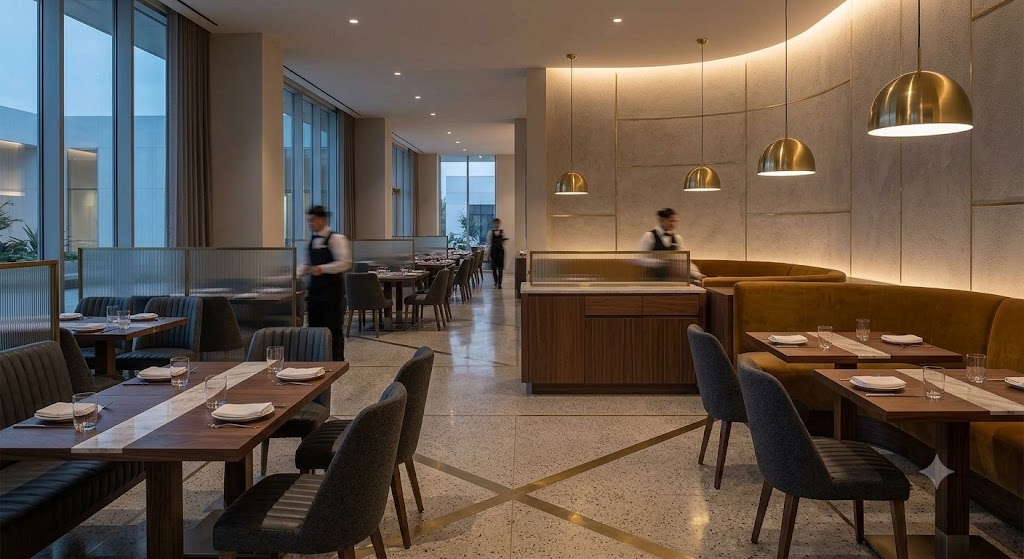
The dining area in a hotel is more than just a place to eat; it is a centerpiece of the guest experience, reflecting the hotel's brand identity and commitment to comfort. Selecting the right hotel restaurant furniture is a strategic decision that influences guest satisfaction, operational efficiency, and the long-term profitability of the establishment. Whether you are outfitting a high-end 5-star dining room or a casual morning bistro, the furniture must withstand heavy daily use while maintaining an impeccable aesthetic. In this guide, we will explore the critical factors that interior designers, hotel owners, and procurement managers must evaluate to ensure they invest in pieces that offer both form and function.
Defining the Aesthetic of Hotel Restaurant Furniture
The first consideration when selecting hotel restaurant furniture is how well it aligns with the overall design narrative of the property. The furniture acts as a visual communicator of the brand. For a luxury urban hotel, sleek lines, velvet upholstery, and brass accents might be appropriate to convey sophistication. In contrast, a coastal resort may benefit from natural wood textures, rattan weaves, and lighter color palettes. Consistency is key; the transition from the lobby to the restaurant should feel seamless.
Designers must also consider the atmosphere they wish to create during different times of the day. A restaurant that serves breakfast, lunch, and dinner needs furniture that feels bright and energizing in the morning but can appear intimate and luxurious under evening lighting. This often involves choosing versatile finishes and fabrics that react well to various lighting temperatures. By prioritizing aesthetic alignment, you ensure that the furniture enhances the architectural beauty of the space rather than clashing with it.
Material Selection and Durability in Hotel Restaurant Furniture
Durability is a non-negotiable factor when investing in hotel restaurant furniture. Commercial environments subject tables and chairs to significantly more wear and tear than residential settings. Therefore, materials must be "contract grade." Hardwoods like ash, oak, and beech are popular choices for chair frames due to their structural integrity and ability to hold joints securely over thousands of uses. Metal frames, often made of steel or aluminum with powder-coated finishes, offer an industrial look while being nearly indestructible and easy to sanitize.
Upholstery choice is equally critical. Fabrics should have high Martindale rub counts (usually 50,000 or higher) to resist abrasion. Additionally, consider treated fabrics that are stain-resistant, anti-microbial, and fire-retardant to meet international safety standards. For tabletops, materials like high-pressure laminate (HPL), solid surface, or treated natural stone provide a surface that resists heat, scratches, and chemical cleaners. Investing in high-quality materials at the outset reduces the total cost of ownership by extending the replacement cycle.
Ergonomics and Guest Comfort in Hotel Restaurant Furniture
No matter how beautiful a chair is, if a guest is uncomfortable, their dining experience is compromised. Ergonomics in hotel restaurant furniture involves calculating the correct seat height relative to the table height—typically a gap of 300px is ideal. The pitch of the backrest should support the lumbar region without being so reclined that it makes dining difficult. For fine dining, armchairs are often preferred as they encourage guests to linger longer, potentially increasing beverage and dessert sales.
Foam density is another technical detail that experts watch closely. High-resiliency (HR) foam ensures that seats retain their shape and support over time, preventing the "sinking" feeling that occurs with low-quality padding. For communal tables or bar areas, footrest heights must be carefully measured to prevent leg fatigue. By focusing on the physical comfort of the guest, the furniture becomes a silent contributor to a positive review and repeat business.
Operational Efficiency and Layout with Hotel Restaurant Furniture
The layout and scale of hotel restaurant furniture directly impact the flow of service and the capacity of the room. Large, bulky chairs might look grand, but they can restrict the movement of servers and reduce the total number of covers. Designers often use a mix of seating types—such as banquettes, booths, and loose chairs—to maximize space. Banquette seating is particularly efficient as it can be built into walls, saving precious floor space while offering a "cozy" corner that many guests prefer.
Weight is also a practical consideration. Chairs should be heavy enough to feel substantial and high-quality, but light enough for staff to move easily for cleaning or reconfiguring the room for private events. Furthermore, consider the "stackability" of chairs if the space is multi-functional. Tables with pedestal bases are often preferred over four-legged tables because they provide more legroom for guests and make it easier to push tables together for larger groups without the legs getting in the way.
Excellence in Craftsmanship: OC International Hotel Furniture
At OC International Hotel Furniture, we understand that every hospitality project has unique demands. With over two decades of experience in the industry, we have established ourselves as a premier provider of hotel restaurant furniture for 5-star properties globally. Our manufacturing process combines traditional craftsmanship with advanced technology to deliver pieces that are as durable as they are beautiful. We specialize in customizable luxury hotel furniture, allowing designers to specify every detail from wood species to bespoke fabric finishes.
Our portfolio includes prestigious projects like the St. Regis, Hilton, and Four Seasons, where our custom 5-star hotel furniture solutions have set new standards for hospitality interiors. Whether you need premium restaurant cushions or full millwork integration, our team provides end-to-end support from shop drawings to global installation. Based in the furniture hub of Dongguan, we leverage a robust supply chain to ensure competitive pricing without compromising on the meticulous quality expected by the world's leading hotel brands. Learn more about our mission on our About Us page.
Conclusion
Choosing the right furniture for a hotel restaurant is a complex balancing act between aesthetics, durability, and guest comfort. By focusing on high-quality materials, ergonomic design, and brand alignment, hotel operators can create dining environments that leave a lasting impression on guests. As trends evolve toward more personalized and sustainable spaces, partnering with an experienced manufacturer becomes essential to navigate the complexities of custom furniture procurement.
Ready to Elevate Your Dining Space?
Contact OC International Hotel Furniture today to discuss your next project and receive a tailored quote for your bespoke furniture needs.
Contact Our ExpertsFrequently Asked Questions
Q1: How do I choose the best hotel restaurant furniture for a 5-star venue?
For 5-star venues, prioritize bespoke designs and premium materials like solid hardwoods, top-grain leathers, and custom metal accents. Ensure the furniture meets high-traffic durability standards while reflecting the unique luxury brand of the hotel.
Q2: What materials are most durable for hotel restaurant furniture?
High-density hardwoods (ash, oak), stainless steel, and high-pressure laminates are the most durable. For upholstery, use fabrics with a high Martindale count and moisture-barrier treatments to ensure longevity in a dining environment.
Q3: Why is ergonomics critical when selecting hotel restaurant furniture?
Ergonomics ensures guest comfort during their meal. Proper seat height, backrest support, and table clearance prevent physical fatigue, encouraging guests to enjoy their stay longer and improving their overall perception of the service.
Q4: Can hotel restaurant furniture be customized to match a specific brand identity?
Yes, customization is a hallmark of professional hospitality furniture. You can customize dimensions, finishes, fabrics, and even structural designs to ensure every piece of furniture fits the specific aesthetic and functional requirements of your brand.
Q5: How does hotel restaurant furniture impact the overall guest experience?
Furniture sets the tone of the environment. High-quality furniture provides comfort and aesthetic pleasure, which correlates with higher guest satisfaction scores, better online reviews, and increased repeat visits.
Sähköpostiosoitettasi ei julkaista. Pakolliset kentät on merkitty *